Absolutely! Becoming an electrician is a great career choice that offers a mix of job stability, good pay, and the satisfaction of working with your hands. In this post, we’ll take a look at what it takes to become an electrician, the training and courses required, and the potential career paths in this field.
So You Want to Become an Electrician
What Does an Electrician Do?
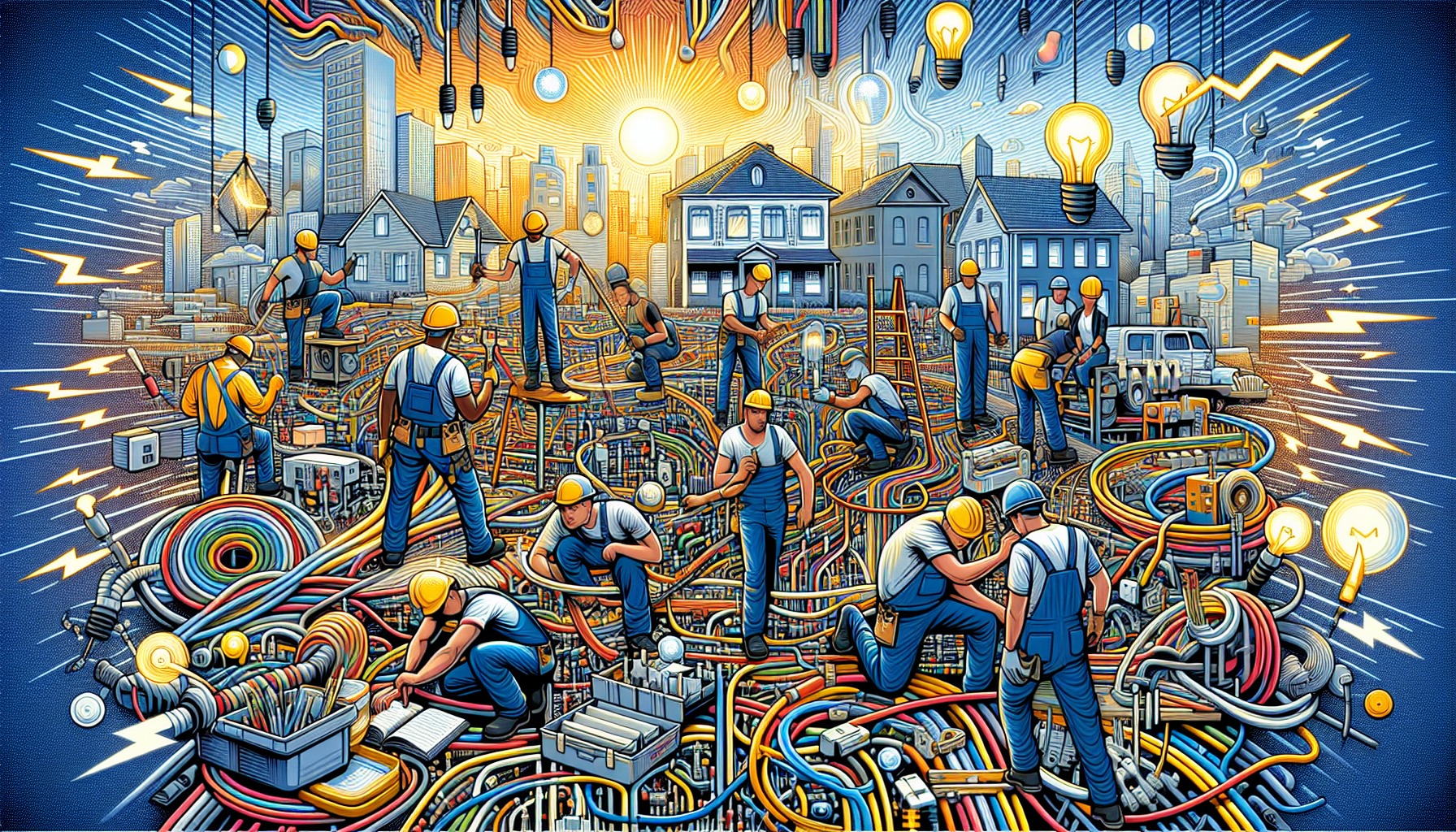
Electricians are responsible for installing, maintaining, and repairing electrical systems in residential, commercial, and industrial buildings. They work with a variety of tools and equipment to ensure that electrical wiring is safe and up to code.
How to Become an Electrician
Becoming an electrician typically involves a combination of education, apprenticeship, and licensing. Here’s a step-by-step guide on how to kickstart your career as an electrician:
1. High School Education
While a high school diploma or GED is generally the minimum requirement to become an electrician, taking courses in math, physics, and shop can give you a head start in understanding the principles of electricity.
2. Electrician Training Programs
Many technical schools and community colleges offer electrician training programs that cover the basics of electrical work, safety practices, and the National Electrical Code (NEC). These programs can vary in length from a few months to a couple of years.
3. Apprenticeship
After completing a training program, aspiring electricians typically enter an apprenticeship program. This on-the-job training allows apprentices to work under the supervision of experienced electricians, gaining practical experience and knowledge of the trade.
4. Licensing
Once you’ve completed your training and apprenticeship, you’ll need to obtain a state license to work as an electrician. Licensing requirements vary by state but generally involve passing an exam to demonstrate your knowledge of electrical codes and regulations.
5. Continuing Education
To stay current in the field and maintain your license, electricians often participate in continuing education courses and training programs. This is essential as electrical codes and technologies are constantly evolving.
What Courses Are Required to Become an Electrician?
The specific courses required to become an electrician can vary depending on the training program you choose. Some common topics covered in electrician courses include:
- Electrical Theory
- Electrical Code and Regulations
- Residential Wiring
- Commercial Wiring
- Industrial Wiring
- Blueprint Reading
What Are the Career Paths for Electricians?
As an electrician, there are several career paths you can pursue, including:
- Residential Electrician: Specializing in wiring and electrical systems for homes and apartments.
- Commercial Electrician: Working on electrical projects for businesses, schools, and hospitals.
- Industrial Electrician: Focusing on electrical systems in factories, power plants, and other industrial settings.
- Master Electrician: Attaining a master electrician license allows you to work independently and supervise other electricians.
FAQs About Becoming an Electrician
Q: How long does it take to become an electrician?
A: The timeline to become an electrician can vary, but it typically takes around 4-5 years to complete an apprenticeship and obtain a license.
Q: Are there any specific skills needed to become an electrician?
A: Attention to detail, problem-solving skills, physical stamina, and good hand-eye coordination are important traits for electricians.
Q: Is being an electrician a stable career choice?
A: Yes, the demand for electricians is expected to grow as construction and infrastructure projects continue to expand.
In conclusion, becoming an electrician is a rewarding career that offers a mix of technical skill, job stability, and potential for advancement. By following the steps outlined in this post and gaining relevant experience, you can spark a successful career in the electrical industry. Good luck on your journey to becoming an electrician!